
Why Has Germany Become the World’s Second-Largest Immigration Country?
According to statistics released by the United Nations in 2024, Germany is now home to over 16 million international migrants, making it the second-largest immigration country in the world, after the United States.
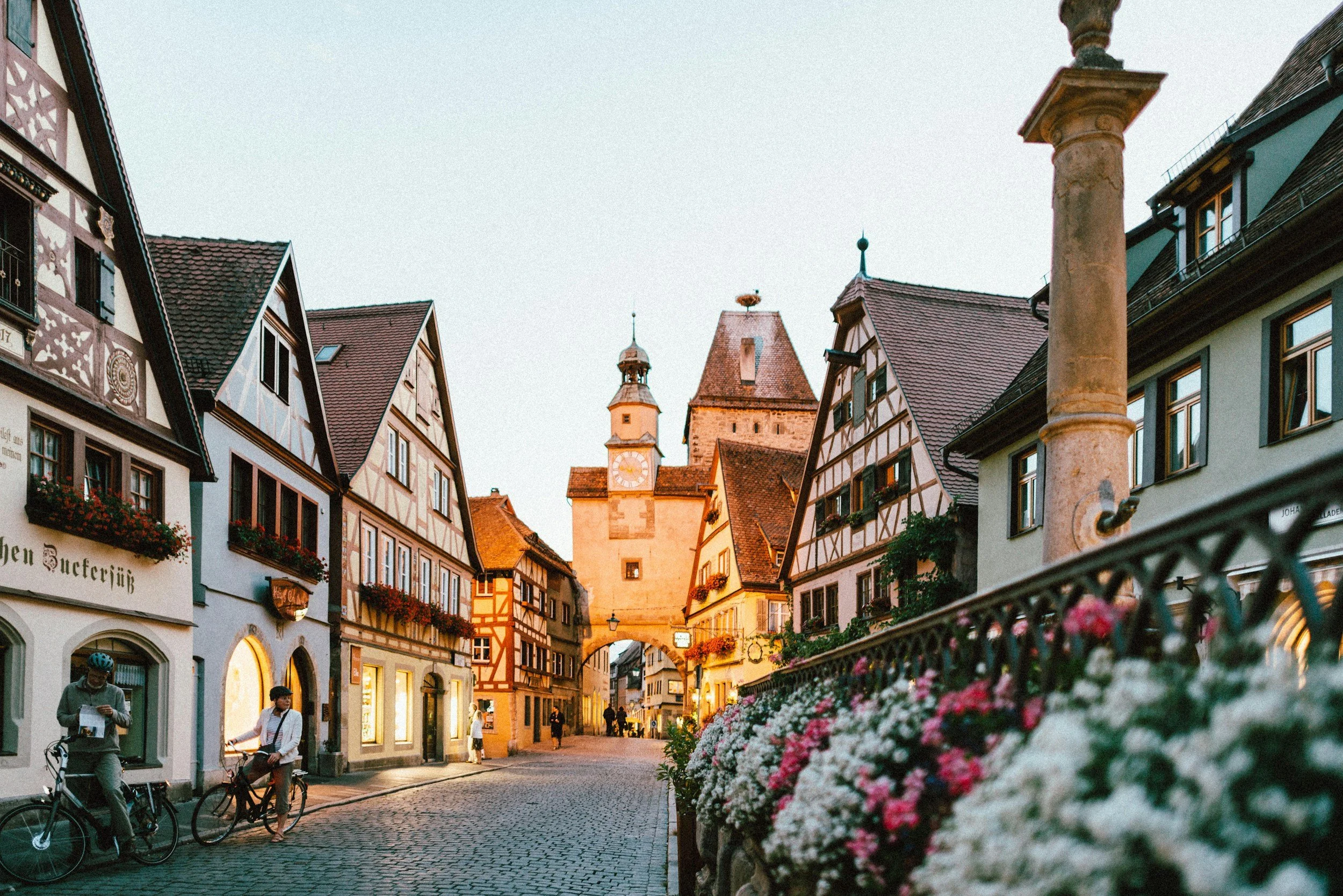
Germany as an immigration country
Germany is now the world’s second-largest immigration country — not by chance, but because of stability, affordable education, and real pathways from study to long-term living.
When people think of “immigration countries,” the U.S. usually comes to mind first—a place long associated with opportunity, mobility, and the pursuit of a better life.
Yet the latest UN data reveals something many do not expect: Germany ranks second worldwide.
Based on figures from the United Nations Department of Economic and Social Affairs (UN DESA), one out of every twenty migrants globally has chosen Germany. This is a remarkable number—and one that deserves closer attention, especially for students and families in the Philippines considering education and life abroad.
Why Germany?
The core reason Germany has become a leading destination for migrants is simple: stability.
For many Filipinos, the idea of going abroad is often closely linked to long-term security—stable income, strong worker protections, and the ability to build a future not only for oneself, but also for one’s family. Germany offers exactly this foundation.
Germany’s political system is highly stable, public institutions are trusted, and the country has built a comprehensive social system covering healthcare, education, social insurance, and employment protection. For people coming from countries where economic uncertainty or limited social safety nets are a concern, Germany represents a rare combination of safety and opportunity.
For students and young professionals, this stability means you are not taking a risky leap—you are stepping into a system designed for long-term living.
Studying in Germany: A Smart Pathway, Not Just a Degree
Germany’s low-cost or tuition-free public universities are a major reason why it attracts students from around the world—including a growing number from the Philippines.
Most public universities in Germany do not charge tuition fees, even for non-EU students. Instead, students pay only a small semester contribution (usually around ₱9,975 - ₱13,300), which often includes public transportation. Compared to tuition fees in many English-speaking countries, this makes Germany one of the most cost-effective study destinations.
But Germany offers more than affordability.
After graduation, international students can apply for an 18-month job-seeker residence permit, allowing them to stay in Germany and look for qualified employment. Once a job is secured, this can be converted into a work permit—and eventually, into permanent residency.
This clear and realistic pathway makes Germany especially attractive to Filipino students who see overseas education not as a short-term experience, but as a step toward building a stable international career.
Living in Germany: Security That Allows You to Plan Ahead
Newcomers often notice Germany’s strict rules at first—recycling systems, punctual schedules, regulated working hours, and quiet Sundays.
While this may feel restrictive initially, many people come to realize that these rules exist to protect quality of life.
Germany has one of Europe’s strongest employment protection laws (Kündigungsschutz). After the probation period, employees cannot be dismissed without strict, valid, and legal reasons. Working hours are typically 35–40 hours per week, with overtime compensated either financially or through additional leave.
Most employees enjoy more than 40 days of paid leave per year, including public holidays. Rest is not seen as a luxury—it is a right.
For many Filipinos accustomed to long working hours or overseas jobs with limited protections, this system offers something invaluable: predictability and dignity.
You do not need to be extremely wealthy or highly ranked to live well. A stable income, regulated rent, comprehensive healthcare, and strong social insurance allow people to plan their future—support their families, invest in themselves, and live without constant anxiety.
This is Germany’s version of freedom: quiet, structured, and sustainable.
A Country of Migrants, Not Isolation
Being the world’s second-largest immigration country does not mean Germany is overcrowded—it means it is diverse.
In cities like Berlin, Hamburg, or Frankfurt, you will hear multiple languages every day. Cultural diversity is woven into daily life. International communities are visible, and newcomers are not unusual.
Germany still faces challenges related to integration and multiculturalism, but compared to many countries, it has developed a relatively mature approach to helping people from different backgrounds live and work together.
For Filipino students and families, this means reassurance: you are unlikely to feel alone, and there are growing international communities that understand the experience of building a life abroad.
Why This Matters for Filipino Students and Families
For many families in the Philippines, studying abroad is a serious investment—financially and emotionally. Questions about safety, long-term prospects, and return on investment naturally arise.
Germany stands out because it is not just a place to study—it is a place where education, work, and long-term residence connect naturally.
For students, Germany offers globally respected degrees, practical and industry-linked education, and real post-study work opportunities. For families, it offers political stability, strong social systems, and a clear framework for long-term settlement.
When these factors come together, Germany’s position as the world’s second-largest immigration country makes sense.
Conclusion: Germany’s Strength Lies in Stability
Germany did not become “second” by competing for attention. It became second by consistently offering something many people seek but rarely find: a place where life can be planned, not improvised.
It does not promise overnight success. Instead, it offers structure, fairness, and time—time to grow, work, and build a future.
For Filipino students considering studying abroad, Germany may not be the loudest option—but it may be one of the most reliable. And sometimes, reliability is exactly what turns a foreign country into a long-term home.
Interested in starting your journey to Germany?
Let TaiGer Consultancy guide you—from study planning to life in Germany.
Contact us today and secure your spot!
